


Audiences are at the heart of marketing. Knowing who your ideal prospects are and what will inspire them to engage with your brand is the main question all campaigns need to address.
Digital marketing (particularly PPC) has been rather spoiled for the past decade on targeting options. We’ve been able to know exactly who engages with us and use lists to create our own targeting.
While many of our audiences are still available, there are far more rules to protect users. This is ultimately a good thing because it ensures we’re having consensual conversations with our people and not bothering folks who are likely never going to convert.
However, not all industries can use all audiences.
This guide will cover:
- The difference between native audiences and first-party data.
- Strategies to acquire first-party audiences.
- How to marry audiences with the right messaging.
What is the difference between native audiences and first-party data?
Before we dive into audience strategy, it’s important to understand the difference between native audiences and the ones we build off of first-party data.
Native audiences use behavioral data sourced from consent-based:
- Search queries.
- Sites visited.
- Locations visited
- Past purchasing behavior.
- Persona models and machine learning.
These sources fuel audiences like:
- In-market: Displays a strong probability of being interested in the product or service.
- Life events: represents a high probability of going through a major milestone.
- Affinity: Likely interested in overarching hobbies/goods/services.
- Custom intent: Advertiser-influenced audiences based on search terms or sites visited.
- Similar audiences (no longer targetable on its own): High probability of being similar to a first-party audience group.
Native audiences are built into smart bidding and represent a big reason to delegate bids to ad networks. However, given that their viability hinges on user consent, sometimes they struggle to staff or can’t be used by some industries.
Advertisers can use observation mode to see which native audiences make up their traffic and exclude some audiences known to be undesirable.
While you can set a target and observe to exclusively target native audiences, it means forfeiting the built-in algorithmic audiences. As such, it’s typically better to use native audiences in one of two ways:
- Exclude unnecessary audiences and allow smart bidding to find your best people.
- Use manual bidding and leverage native audiences as bid adjustments via observation mode.
On the other hand, you can leverage your own data to build audiences.
First-party data (FPD) audiences rely on the following data:
- Consent-driven emails/phone numbers/addresses (customer match).
- Website traffic/conversions provided user consent is secured.
FPD audiences can be applied in the same ways as native, however, they also allow for more one-to-one targeting. Adding FPD audiences also improves PMax campaigns through audience signals and helps create more similar audience signals for your smart campaigns.
At the end of the day, both audience types can serve well in accounts.
Get the daily newsletter search marketers rely on.
Strategies to acquire first-party data audiences
First-party data audiences revolve around building trust with your prospects. Users are more than willing to consent to tracking and communication if it’s from a company they like and there’s value in it for them.
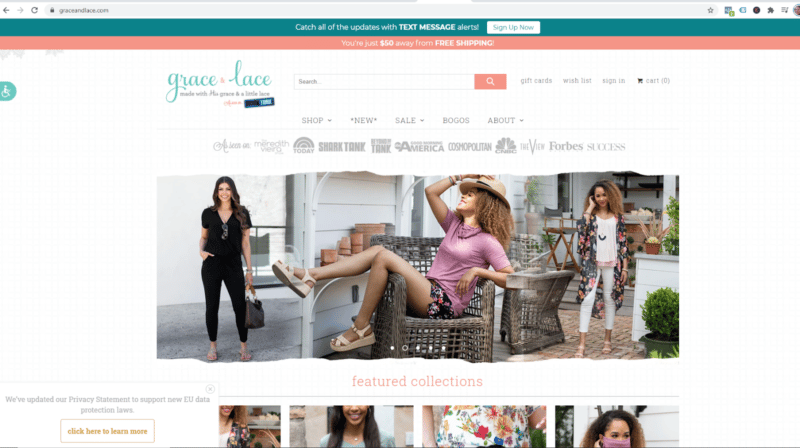
Adding trust symbols like awards, certifications, reviews, and publications can help folks know that your brand is worth investing the data into. While we’re mostly focused on audiences, this also helps get cookie consent for tracking.
Pop-up offers are the most straightforward way to get FPD. They are viable in paid and organic campaigns and should factor in quality score and cumulative layout shift (CLS). Both require pop-ups to be delayed at least 5 seconds, however, ideally you’d wait at least 15 seconds.
There are three basic strategies to contact info collection (outside of lead generation):
- Entrance offers.
- Exit offers.
- Valued member.
Entrance offers need to be engaging without being annoying. This can mean welcoming the user in your brand’s voice or inviting them to play a game for a discount.
As a general rule, you’ll want to use two-step offer modules. By having the user “say yes” once, you’re getting them in the habit of continuing to say yes. This ensures they’re in the mindset to share info and ultimately make a purchase.
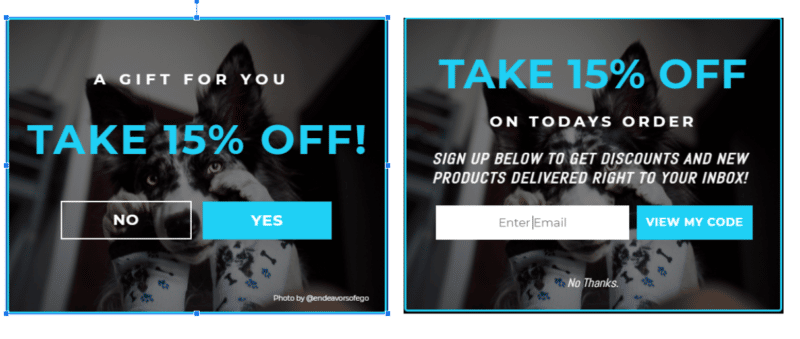
This offer had the following performance in Q3 2022:
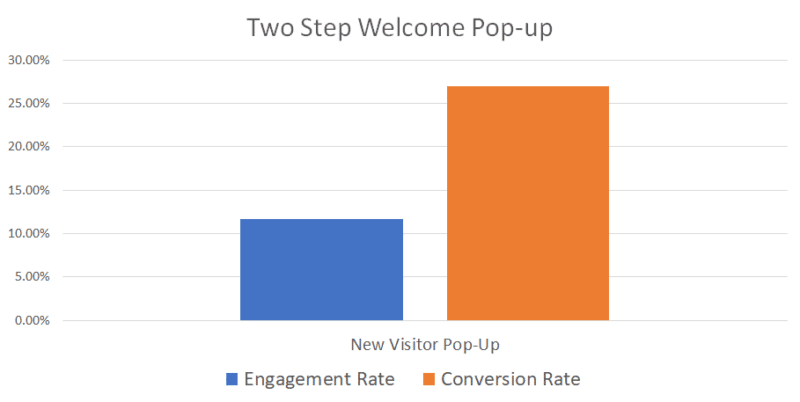
The engagement rate on the pop-up is a respectable 12.5% and the conversion rate is 27%. It does a great job of getting the user to say “yes” and framing the discount as “my” code.
Using “my” instead of “your” helps cement the discount as if the potential purchase already belongs to the customer.
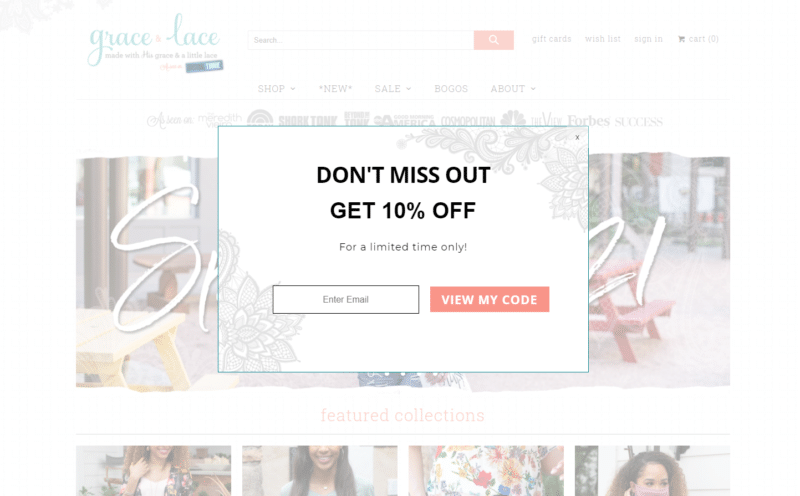
Exit offers will have lower engagement, but they can still have powerful results. The creative should come across as genuine. Font should be easy to read and focus on the offer the user would be leaving behind.
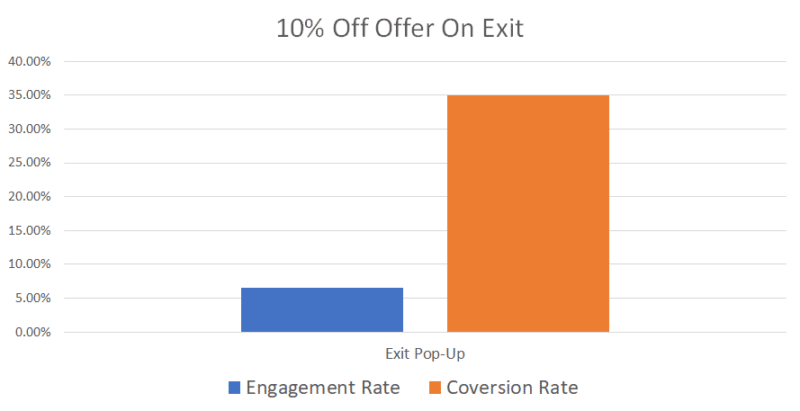
While not the same level of engagement as the entrance offer, it’s worth noting the conversions (sales) were much higher. Don’t be afraid to ask.
Valued member engagements can be hit or miss depending on how they’re designed. They should exude brand voice and let the user know they’re getting something of value:
- Being the first to know about promos/product launches.
- Newsletters with valuable content about the product/service.
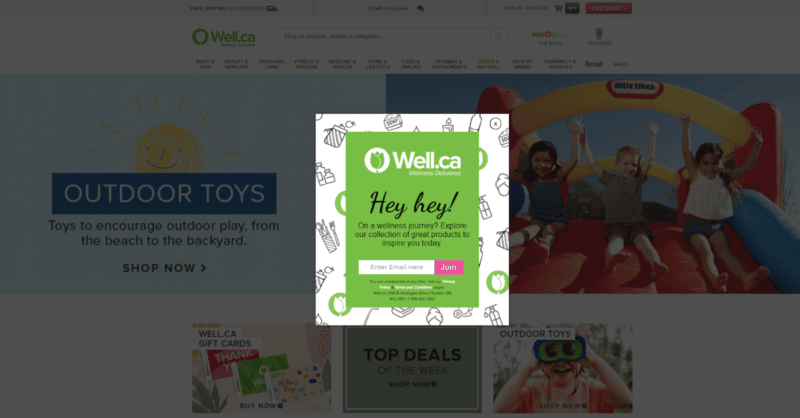
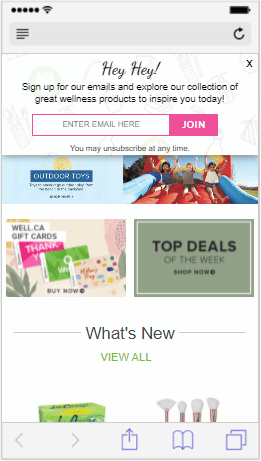
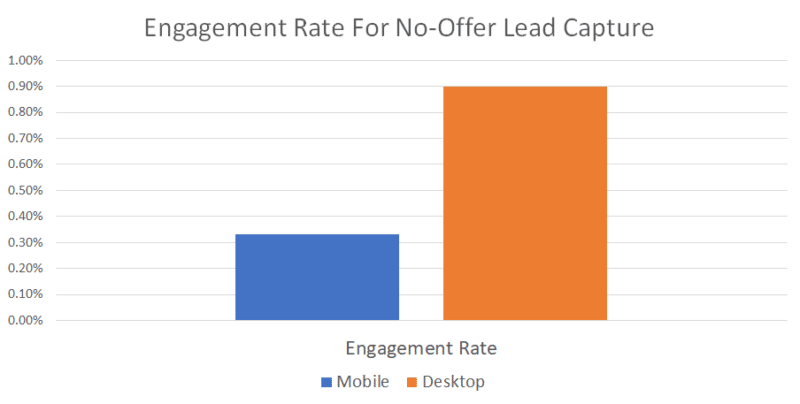
Make sure that all messaging is compliant with the privacy laws of your market. For example, you will need to specify in your creative that sharing the email will put the user on a mailing list (that they will need to opt out of).
How to marry audiences with messaging
Ad creative is only as powerful as the match between messaging and audience. Whether creative “requires” a certain demographic to land, or it can be applied across all of your marketing personas, there still needs to be a synergy between the market and message.
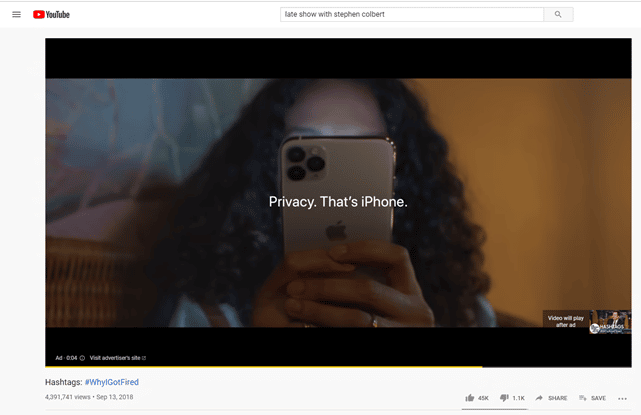
What makes this ad so powerful is that it not only makes the point about privacy by covering the user’s face, but it also blocks out the identifying features. This means it can be applied to all user groups.
Part of crafting the best creative is being mindful of how visual content needs to be. All ad platforms are focusing on video and images.
Ad creative needs to honor the channel it’s being used for and the audiences you’re targeting.
If a user is new to the brand (native audiences, etc.), brand voice and creating an emotional connection are far more important than a functional or transactional approach.
As the user gets more exposure, it will make sense to start serving creative to overcome objections or data to justify the impulse purchase.
Leverage data to build consent-based PPC audiences
Consent-based targeting is largely dependent on establishing trust and maintaining it.
By using first-party data audiences in ad platforms you can improve ROI and brand sentiment.
Watch: Your guide to permission-based audience targeting
Below is the complete video of my SMX Next presentation.
Opinions expressed in this article are those of the guest author and not necessarily Search Engine Land. Staff authors are listed here.

Related stories
New on Search Engine Land
@media screen and (min-width: 800px) {
#div-gpt-ad-3191538-7 {
display: flex !important;
justify-content: center !important;
align-items: center !important;
min-width:770px;
min-height:260px;
}
}
@media screen and (min-width: 1279px) {
#div-gpt-ad-3191538-7 {
display: flex !important;
justify-content: center !important;
align-items: center !important;
min-width:800px!important;
min-height:440px!important;
}
}
About the author

A veteran of the digital marketing industry and “Top 25 PPC Expert,” she began as an SEO in 2008, transitioning to PPC in 2012. She manages the strategy and execution of paid media campaigns, as well as helping brands build relationships with profitable partners and customers. Throughout her career, Navah makes a point to give back and loves sharing lessons learned on the international speaking circuit as well as local universities. She is a frequent contributor to several publications and in 2019, she became a founding member of the Paid Search Association.

