


SEM stands for “search engine marketing.” It is the process of combining SEO and PPC strategies to create a holistic internet marketing strategy that drives traffic and visibility through search engines based on a user’s search query.
Originally called “search engine marketing,” the shorter phrase “search marketing” is often used as the umbrella term for SEO and PPC.
But today, much of our industry defines SEM as digital advertising strategies where you pay to have your website featured on the search engine result pages (SERPs).
SEO and PPC are both forms of marketing on search engines. Organic search marketing and paid search marketing are different channels, but the goals and platforms are ultimately the same.
To attract the right visitors to your website so they can purchase, sign up for a service, or find an answer they are looking for.
For those who want to learn more about either SEO or PPC, see our guides below:
Let’s talk about SEM more…
Why is SEM, search engine marketing, important?
SEM is important because it is a data-driven approach to targeting your audience across all online channels and touchpoints.
Search marketing is an effort on any search engine. This means you should care about “other” search engines, from YouTube to TikTok to Amazon to Apple to Yelp.
Anything that can be searched for can be optimized. If it’s a platform that lets users search, and there’s advertising on it – that’s SEM.
When marketers combine SEO and PPC, it creates an all-inclusive integrated approach to internet marketing that drives results.
Just let the data show you.
Auberge Resorts saw over a 126% return on investment from PPC and an 86% increase in organic traffic when merging SEO and PPC into one strategy.
An energy supplier increased website traffic by 71% and received 86% more leads in Google Ads when pairing SEO and PPC together.
Coney Island Picnic needed a new website with ecommerce capability. With a new website redesign, the website ranked for over 775 keywords and went from 0 organic traffic sessions to 2,500 organic sessions per month in the first six months.
On the paid side, the highest ROAS of 22.68x came from branded search campaigns, sparking increased brand awareness.
Overall, Coney Island Picnic launched a new brand and sold over 1,000 products in just 90 days by combining SEO and PPC.
Combining SEO and PPC is like adding fuel to the fire of your SEM strategy. You gain better insights into conversion rates, keyword performance and estimated traffic.
Seven types of SEM
When SEM originated in the early 2000s, SEM = PPC + SEO.
Today, SEO and PPC have matured and grown into subsets of strategies.
Now, there are seven types of search engine marketing – organic, paid, local, voice, image, shop, and social search.
And there are eight types of PPC ads – paid search, display, remarketing, video, social, shopping, Gmail, and Amazon advertising.
SEO
SEO stands for search engine optimization. SEO is the method used to improve the overall quality of a web page to search engines. You’re earning traffic through unpaid or free search engine results.
SEO is just limited to search engines like Bing and Google. SEO is for all search engines like YouTube, Pinterest, Amazon, TikTok, etc.
PPC
PPC, pay-per-click, is when an advertiser pays each time a user clicks on their ad. You’re buying traffic through paid search listings.
Search engines can range from Google and Bing to Amazon to TikTok or YouTube.
What is the difference between SEM vs. SEO vs. PPC?
If we’re considering the original description of SEM, SEM is an internet marketing strategy combining both paid and organic tactics to increase your website’s visibility in search engines.
SEO is the “organic” part of SEM. SEO is sometimes called “free” traffic driven by relevant content and healthy website performance.
PPC is the “paid” part of SEM.
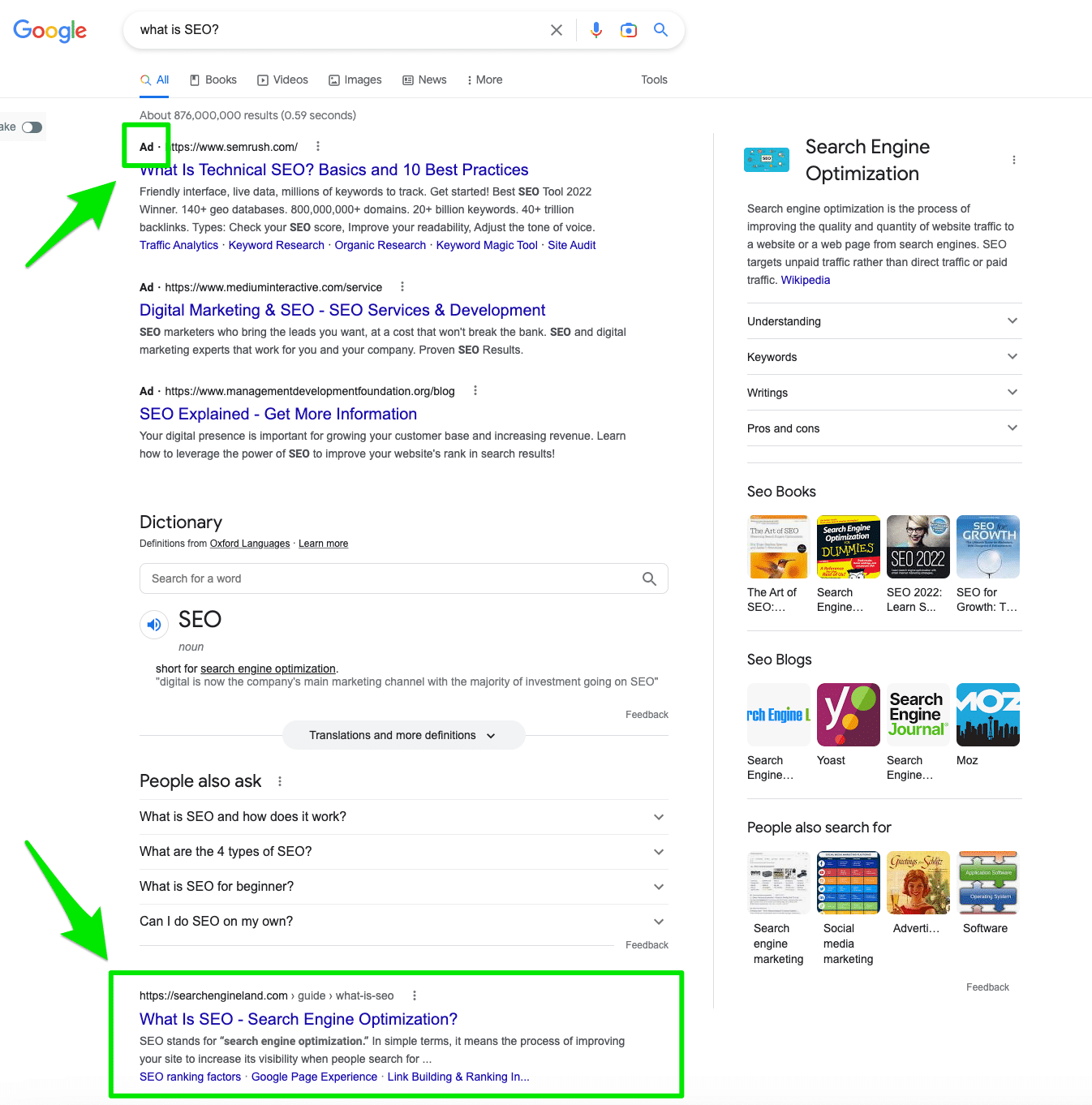
The key differences between SEO and SEM are:
- SEM requires both SEO and PPC to be called SEM. PPC is transparent and must state it is paid advertising. PPC is shown displaying the word “Ad” at the top.
- PPC requires payment for every click (CPC, cost-per-click) or impression (CPM, cost-per-thousand impressions).
- PPC can immediately show ROI, whereas SEO is a long game.
- PPC is faster to test than SEO.
Are there any similarities between SEM vs. SEO vs. PPC?
There is a lot of crossover between SEM, PPC, and SEO.
Both SEO and PPC share these common similarities in creating an SEM strategy:
- Increase the visibility of your website across search engines by optimizing your target audience and search queries.
- Drive higher-quality traffic to your website by encouraging searchers to click on your website through paid ads or organic search results.
- Deep knowledge and expertise in keywords and target audience to better understand the intent behind the search query and how your competition looks at the search term.
- Requires A/B testing and experimentation to support a long-term strategy and ROI.
PPC vs. SEO? Or PPC + SEO?
It depends on your business objective. PPC is better for quick, short-term gains and paired with SEO for a more extensive, long-term strategy. SEO is ideal for a more holistic, long-term approach encompassing UX, content, PR, etc.
You need both SEO and PPC to succeed with an SEM strategy. PPC should be used to kickstart a campaign and experiment to understand your target audience better. It should complement your SEO strategy. SEO should be considered in all website and internet marketing tactics.
OK, so now you’re probably even more confused. So, let’s back this up.
SEM ≠ PPC? The confusing history
Let’s squash this here and now. SEM, search engine marketing = half SEO and half PPC. SEM is not the same as PPC, pay-per-click. You need both the paid and unpaid traffic to make up SEM.
We’re bringing back the true definition of SEM. Let me walk you through this.
SEM is about bringing both SEO and PPC together to promote your website or brand by increasing visibility on search engines through paid and organic traffic.
So, why is there confusion about what SEM means?
That’s because Wikipedia and some top-ranked resources on the subject define SEM as an internet advertising model that drives paid traffic to your website from search engines like Google, Bing, YouTube, Pinterest, TikTok, etc.
Sound familiar?
That’s because it’s the exact same definition as PPC.
Yes, we know that can be confusing – but that’s how things have evolved. Our article, Does SEM = SEO + CPC Still Add Up? explains the evolution in depth.
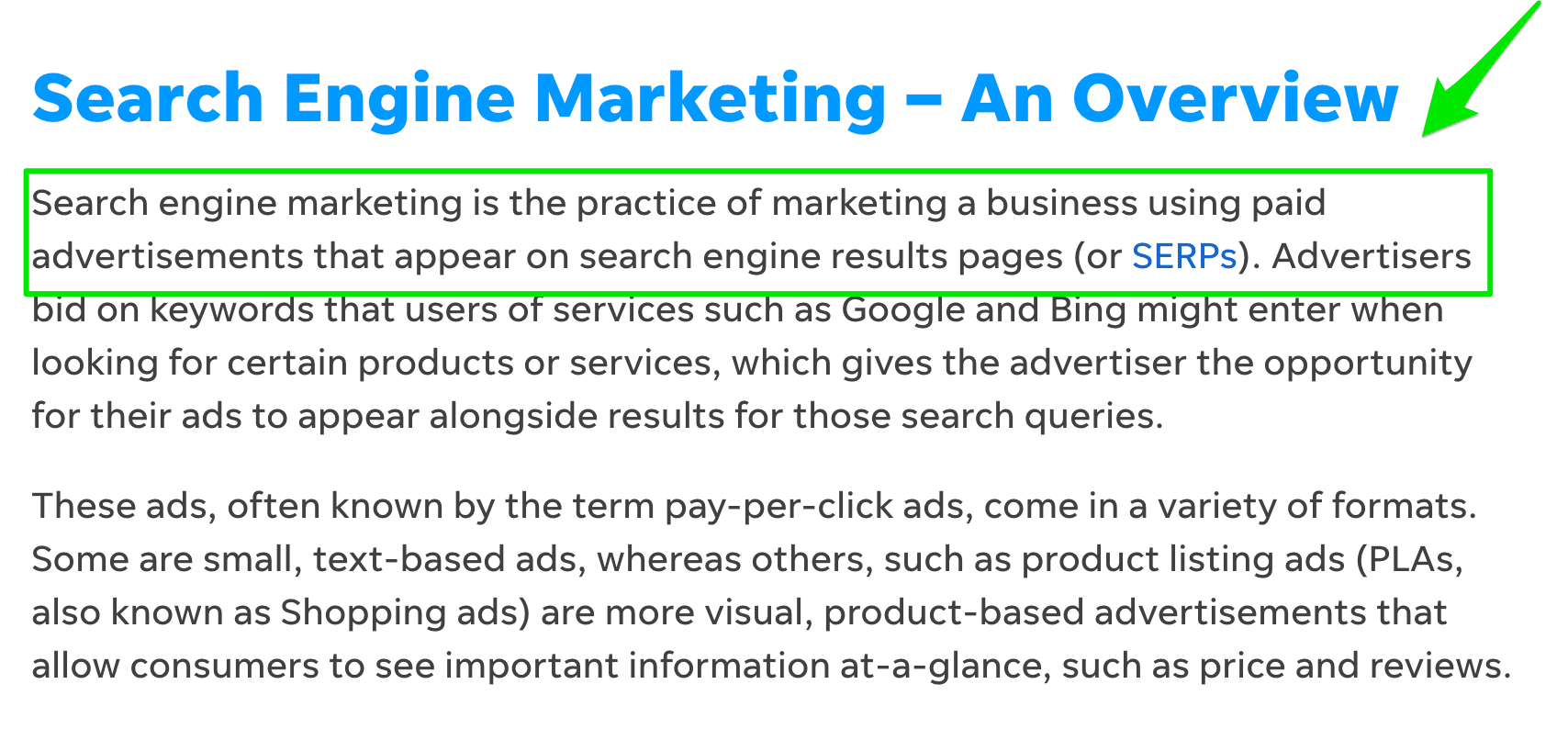
Our industry muddled the waters with articles like this describing SEM as pay-per-click.
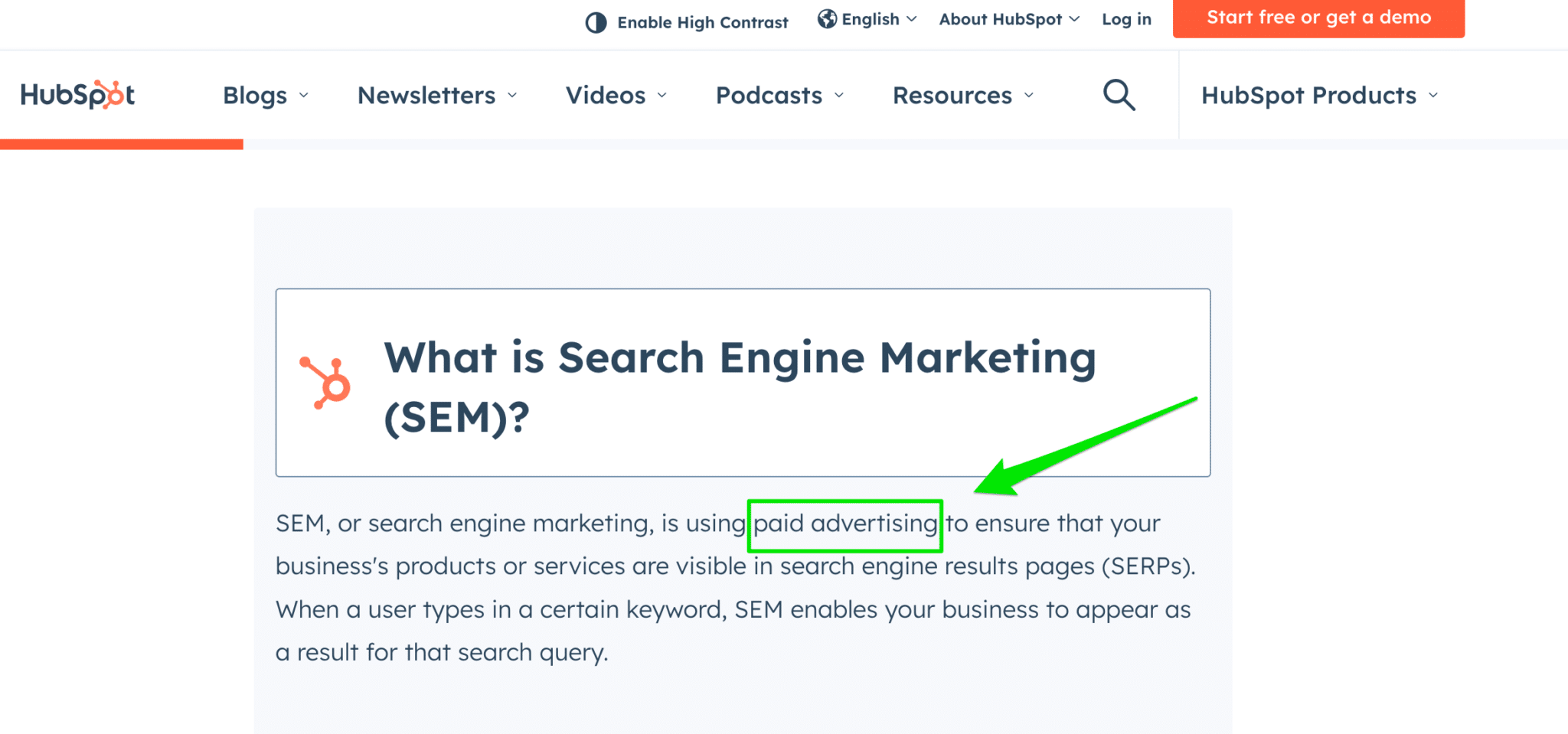
And again, articles like this describing SEM as paid advertising.
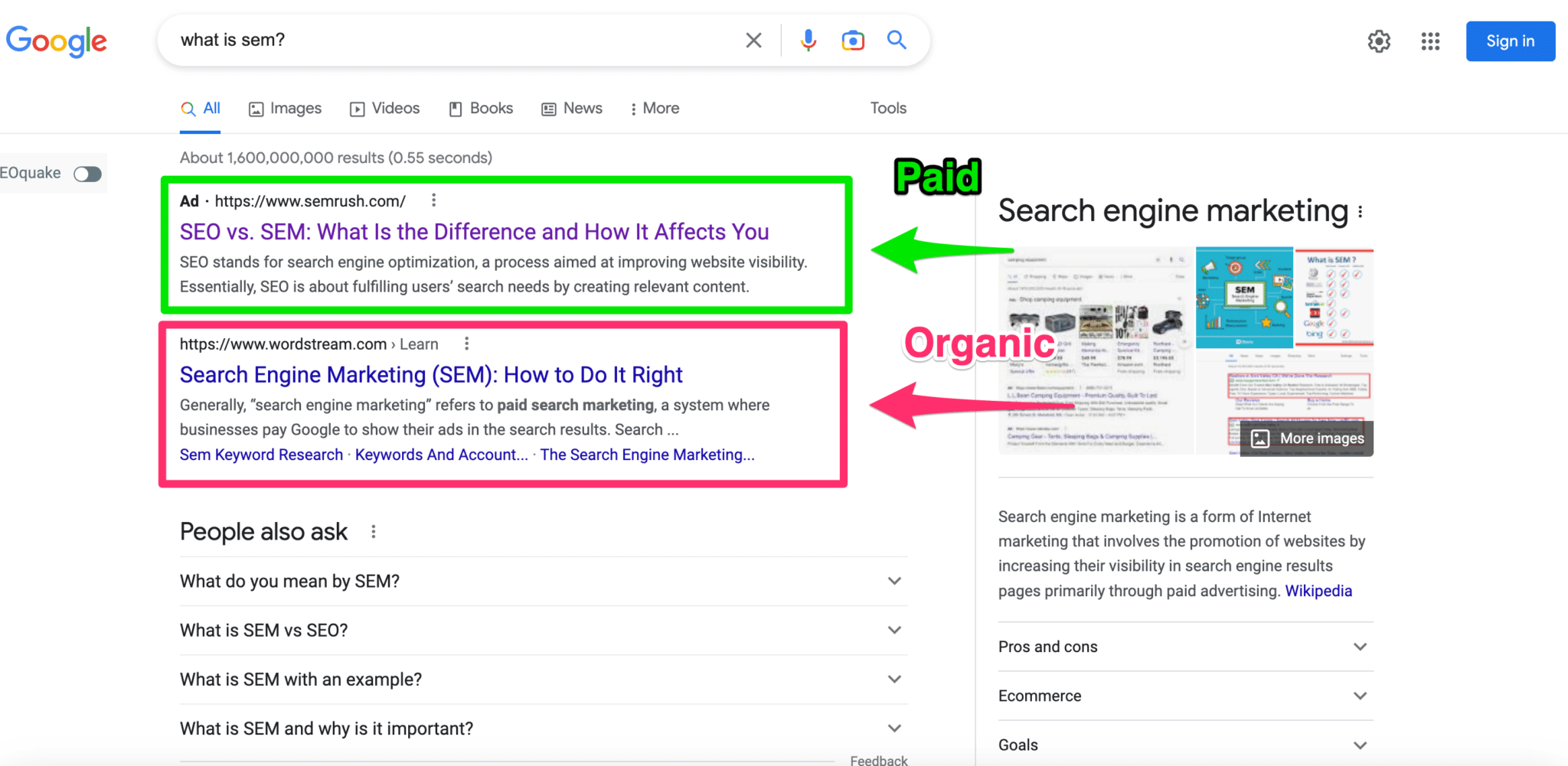
In the early 2000s, search engine marketing, or SEM, was all about combining SEO and PPC into one strategy. SEM was understood as the playground where SEO and PPC play together to benefit all marketing humankind.
Search Engine Land founder and now-Googler Danny Sullivan popularized the term “SEM” in 2001, stating:
“My suggestion was that there should be an umbrella term, ‘search engine marketing,’ that covered both major activities: SEO + PPC.”
SEM worked to cover optimization for all activities in search engines, whether it be optimizing crawlers, managing paid listings or directories. It encompassed all marketing activity in search engines.
When Sullivan popularized “search engine marketing” in 2001, marketing (and life) was much different back then.
Think about it…
The first CAPTCHA was introduced and utilized by PayPal in 2001.
Google introduced the Google Search Appliance in 2002.
WordPress was released in 2003.
Facebook launched in 2004.
Google Maps was live in 2005.
Marketing has changed. The last I heard the term “SEM,” Fubu was still popular. That’s why the true definition of SEM has been lost.
It’s time to revitalize and bring back SEM.
Let’s all collectively decide to stop calling SEM by its counterpart PPC. You need an SEM strategy to compete in today’s competitive marketing landscape.
It’s kind of like the time some SEO professionals wanted to rebrand SEO “Search Engine Optimization” into “Search Everywhere Optimization” or “Search Experience Optimization.” But not.
The reality is SEM, PPC, and SEO today are just marketing.
Sullivan reiterated this point in 2014:
The person putting together an SEM strategy is likely the CMO or VP of Marketing putting together their overall marketing strategy.
Get the daily newsletter search marketers rely on.
Two examples of SEM strategies in the wild
Example 1: Asana Rebel
First, I discovered a sponsored ad for Asana Rebel on Instagram.

Then, I read a Women’s Health Magazine review about the best yoga apps. This is a naturally created review based on star ratings in the app stores.

Finally, I decided to search for Asana Rebel to learn more, where we can see a paid ad at the top and the organic result at the bottom.

About three days later, I was served this remarketing ad on Facebook.
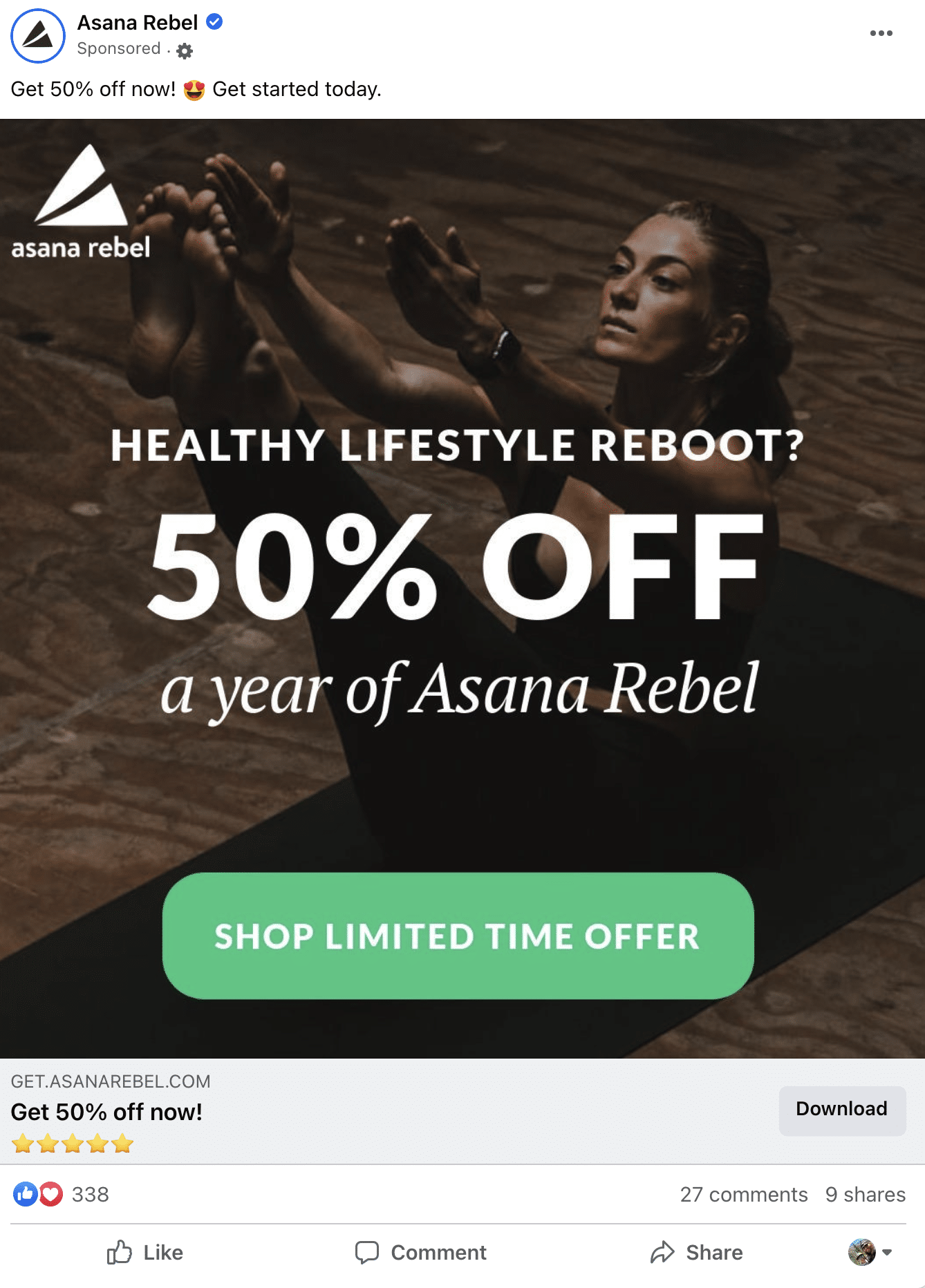
Example 2: MindManager
First, I started searching for MindManager on Google.
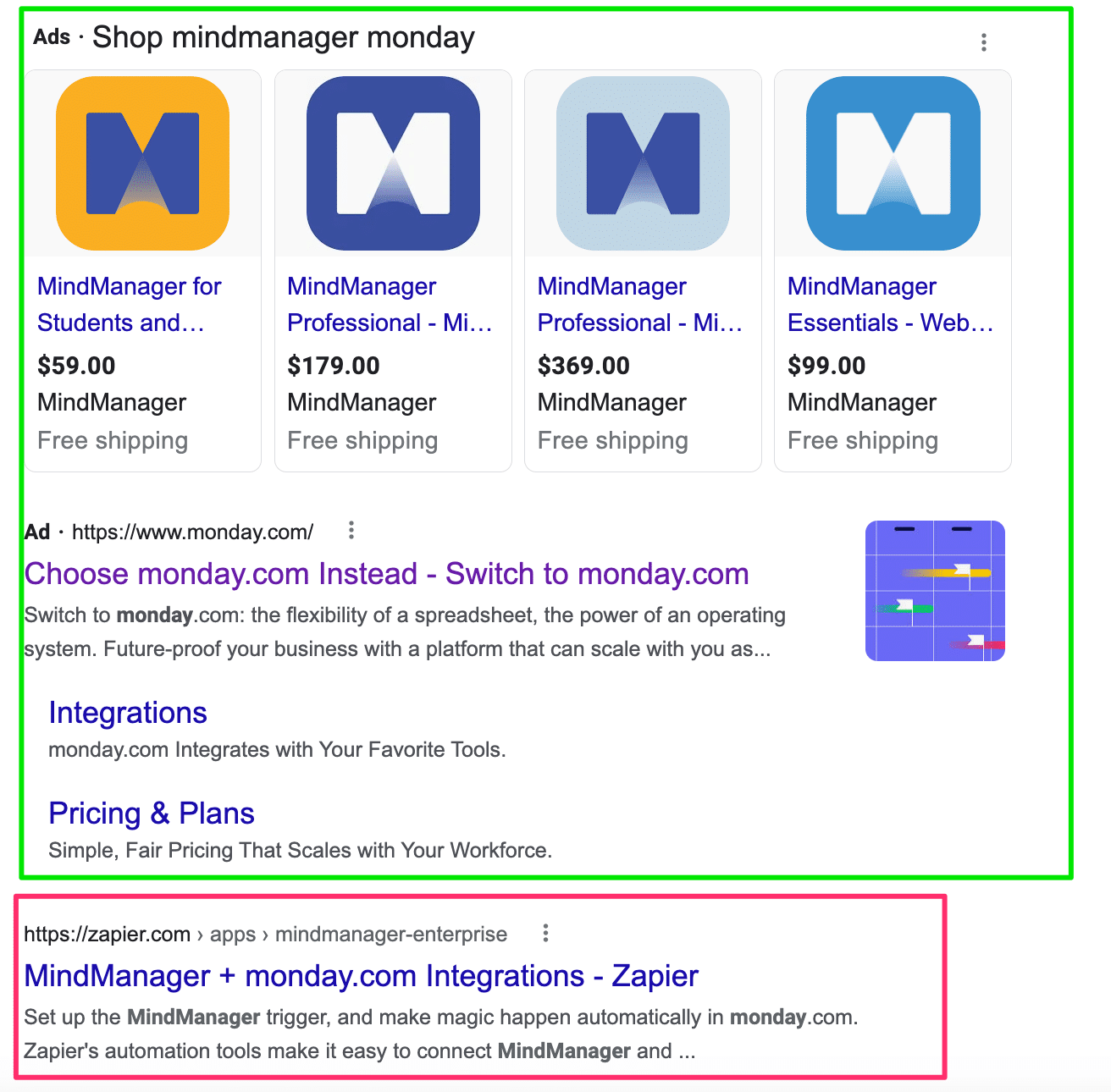
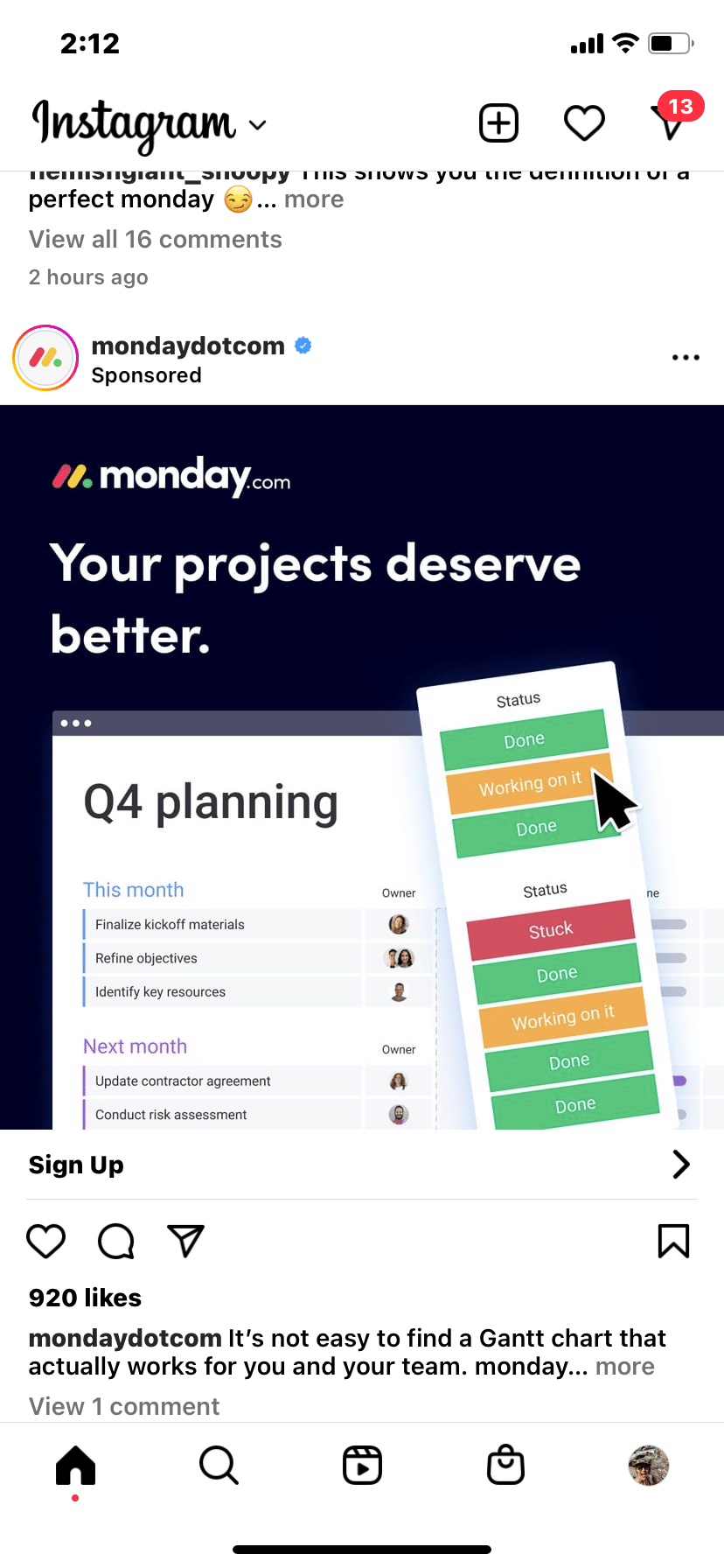
I clicked on the ad for Monday.com. And within 30 minutes, I was served a remarketing ad on Instagram.
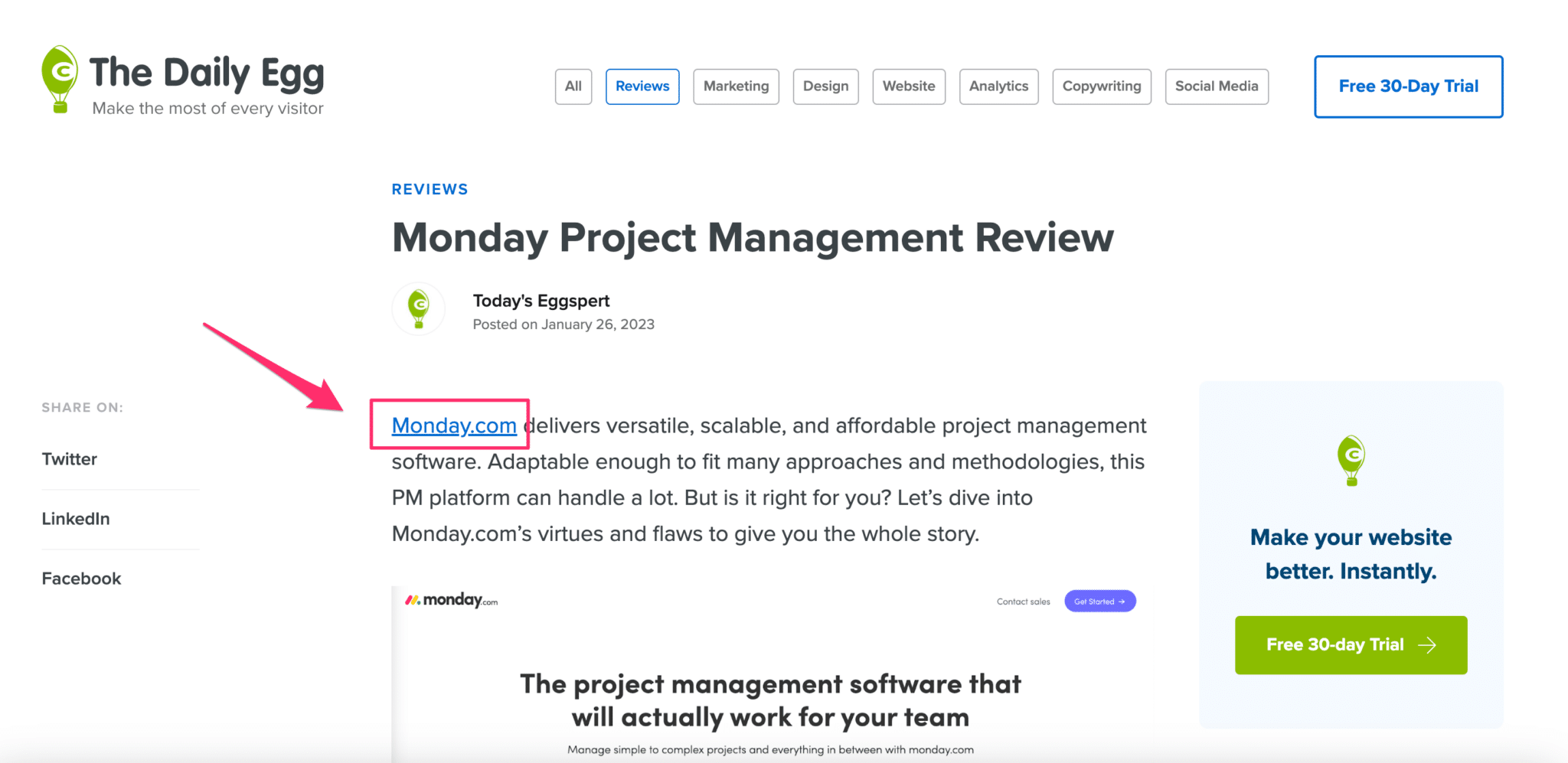
Then, I stumbled across a paid review for Monday.com by Crazy Egg. This is likely thanks to a paid partnership or affiliate marketing team.
These two examples are what a holistic SEM strategy should be by combing SEO, paid, social, affiliates, PR, etc.
Careers in SEM
It’s as rare to find an individual managing all SEM as it is to find a Spider-Gwen comic.
However, marketers with a skillset in both SEO and PPC do exist. I was surprised to learn that 30% of SMX attendees reported doing both PPC and SEO.
But, when you type in SEM in Indeed, there are no jobs with “SEM” in the title.
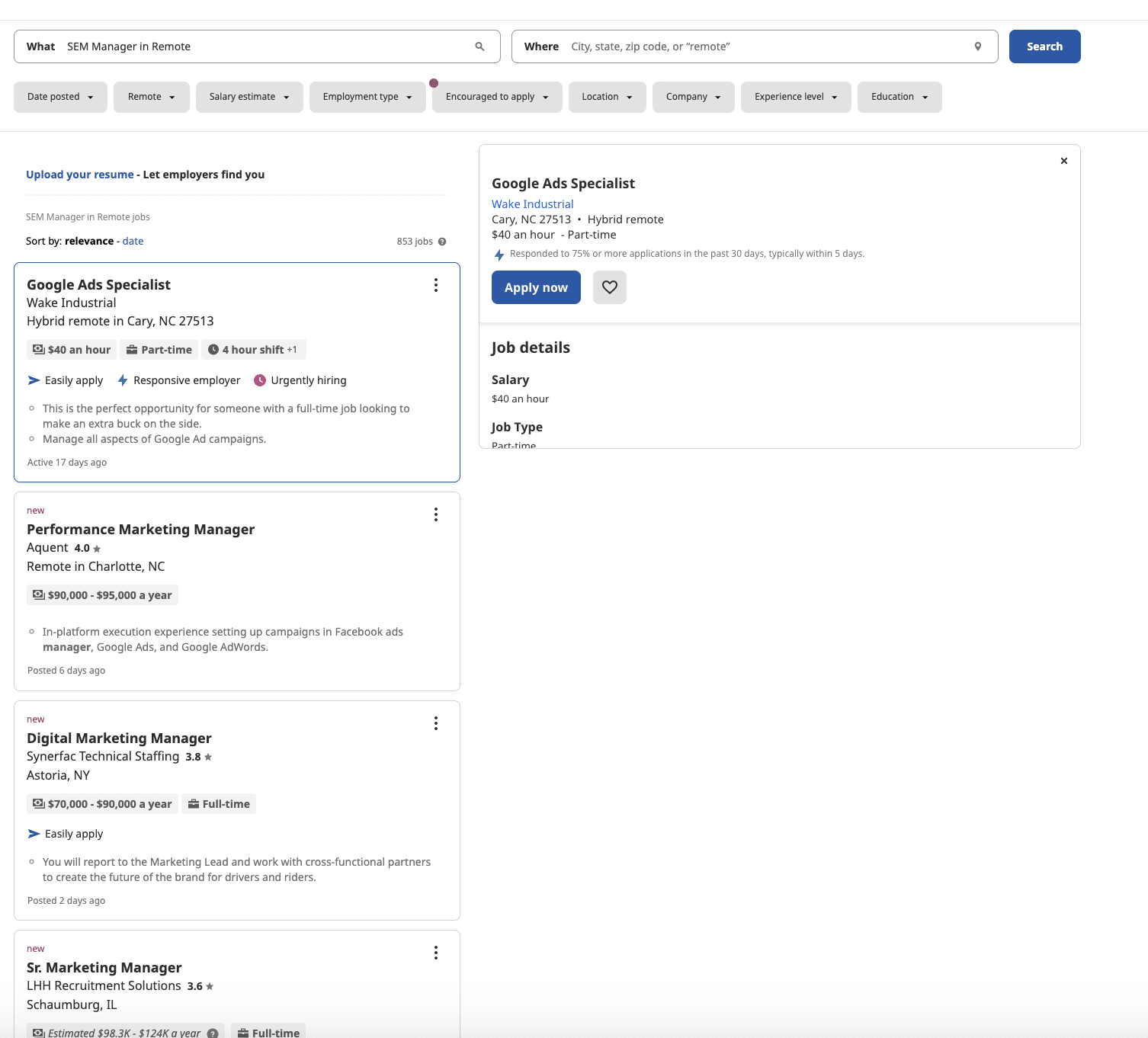
SEM jobs are now “Directors of Marketing.” SEM is in-demand.
From 2021 to 2022, average salaries in PPC have grown by approximately 6.5% in the U.S., 5% in Canada, 6% in the U.K., and 11% in Europe.
And the global SEO market is supposed to grow by $122.11 billion by 2028. That’s a big jump compared to the $65 billion in 2016.
As Sergey Alakov, SEO Manager for Catalyst Canada, put it perfectly:
If you’re looking for a job in SEM, check out SEM career playbook: Overview of a growing industry and The latest jobs in search marketing here on Search Engine Land.
The future of marketing is SEM
SEM can revolutionize every part of marketing. With AI and automation at the forefront of daily topics, PPC and SEO professionals will have fewer levers to pull to control where money is being spent.
And with first-party data, SEM professionals will become less dependent on data to back up decisions. Now, companies will need to rely more on the individual’s expertise and the understanding of how SEM fits into the bigger picture. SEM is the future of marketing.
Stay up to date on all things search marketing
Search Engine Land has been covering search marketing since 2006. In addition to covering the latest news, Search Engine Land publishes contributed articles from a diverse group of subject matter experts featuring helpful search marketing tips, tactics, trends and analysis.
You can sign up to receive Search Engine Land’s free email newsletter, featuring a roundup of the latest search marketing news and insights, every weekday.
Opinions expressed in this article are those of the guest author and not necessarily Search Engine Land. Staff authors are listed here.

Related stories
New on Search Engine Land
@media screen and (min-width: 800px) {
#div-gpt-ad-3191538-7 {
display: flex !important;
justify-content: center !important;
align-items: center !important;
min-width:770px;
min-height:260px;
}
}
@media screen and (min-width: 1279px) {
#div-gpt-ad-3191538-7 {
display: flex !important;
justify-content: center !important;
align-items: center !important;
min-width:800px!important;
min-height:440px!important;
}
}
About the author

Anna Crowe is a Frank’s Hot Buffalo sauce advocate (leading with obvious priorities), writer, marketer and SEO nerd. Over the last 12+ years, Anna has successfully run SEO and content programs for brands like Dollar Thrifty Rental, Marriott, Hilton, Hearst Magazine, Mailboat Records, Philip Morris International, Bloomin’ Brands and Brother USA and many more. She enjoys burritos and puppies (in that order) when she’s not moonlighting as a soccer coach. https://annaleacrowe.com/

